
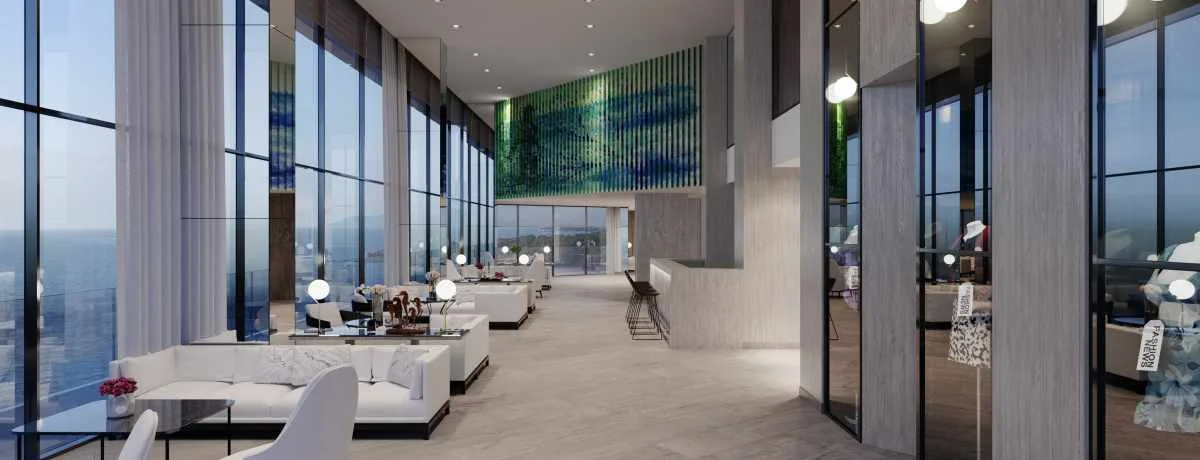
Hotel cleanliness plays a major role in the guest experience. From a spotless guest room and fresh bedding to clean bathrooms, hallways, and common areas, every part of a hotel shapes how guests perceive the property.
Effective hotel cleaning is not simply about making a room look tidy. It’s a consistent process of cleaning, sanitizing, maintaining, inspecting, and preparing spaces so they’re comfortable and ready for guests.
A well-organized hotel cleaning program helps housekeeping teams maintain steady standards, work efficiently, and catch cleaning or maintenance issues before they affect the guest experience.
This guide covers the essential parts of hotel cleaning, including guest room cleaning, bathroom sanitation, common-area maintenance, deep cleaning, housekeeping workflows, cleaning equipment, safety practices, and professional cleaning support.
What Is Hotel Cleaning?
Hotel cleaning refers to the cleaning and maintenance of guest rooms, bathrooms, public areas, and other spaces within a hotel.
The scope varies by property, but hotel cleaning typically covers:
- Guest room cleaning
- Bathroom cleaning and sanitation
- Bed making and linen changes
- Dusting and surface cleaning
- Vacuuming carpets and upholstery
- Sweeping and mopping hard floors
- Cleaning high-touch surfaces
- Emptying garbage
- Restocking guest amenities
- Cleaning public washrooms
- Maintaining lobbies and hallways
- Periodic deep cleaning
- Cleaning furniture and fixtures
- Room inspections after housekeeping service
The exact cleaning requirements depend on factors such as room type, occupancy, hotel policies, and whether the room is being prepared for a new guest or serviced during an existing stay.
Why Is Hotel Cleaning Important?
Cleanliness is one of the most visible parts of a hotel’s guest experience.
When guests enter a room, they notice the condition of the bed, bathroom, floors, surfaces, amenities, and overall environment. A room that looks clean and well prepared builds confidence in the property’s standards.
Reliable hotel cleaning also helps housekeeping teams build a repeatable process. Instead of relying on individual preferences, attendants can follow defined procedures and checklists for each room.
A good cleaning program supports hotels in several ways:
- Maintain consistent room presentation
- Keep guest areas comfortable and welcoming
- Reduce the likelihood of missed cleaning tasks
- Organize housekeeping workloads
- Monitor cleaning supplies
- Identify maintenance problems
- Prepare rooms efficiently
- Maintain appropriate cleanliness and hygiene practices
What Is the Difference Between Hotel Cleaning and Housekeeping?
Hotel cleaning and hotel housekeeping are closely connected, but they aren’t always the same thing.
Hotel cleaning focuses mainly on cleaning and maintaining spaces throughout the property.
Hotel housekeeping covers a broader range of room-preparation and guest-support responsibilities, including cleaning guest rooms, changing linens, replenishing amenities, preparing rooms for arrival, and inspecting rooms.
Housekeeping teams play an important role in maintaining the hotel’s day-to-day cleanliness and room readiness.
Hotel Room Cleaning: Step-by-Step Process
A consistent room-cleaning workflow helps housekeeping attendants complete essential tasks without overlooking important areas.
1. Prepare the Cleaning Cart
Before entering the room, make sure the housekeeping cart has the necessary cleaning products, cloths, equipment, garbage liners, bathroom supplies, and guest amenities.
An organized cart cuts down on unnecessary trips and helps attendants keep an efficient workflow.
2. Ventilate the Room
Where appropriate, open windows or balcony doors to let fresh air into the room.
Follow the hotel’s procedures and factor in weather, security, and room design when ventilating guest rooms.
3. Remove Used Linen
Remove used sheets, pillowcases, towels, and other linen that needs replacing.
Place used linen in the appropriate collection container rather than leaving it on furniture or the floor.
4. Empty Garbage
Collect waste from all room and bathroom garbage bins.
Replace liners and check less obvious spots where guests may have left waste.
5. Remove Used Service Items
Collect used cups, mugs, bottles, and other service items.
Restock coffee, tea, water, and other guest supplies according to the hotel’s room standards.
6. Dust and Clean Surfaces
Clean surfaces systematically, generally working from higher surfaces down.
Pay attention to:
- Headboards
- Shelves
- Desks
- Tables
- Wardrobes
- Furniture
- Light fixtures
- Decorative surfaces
- Areas around and underneath furniture
A systematic approach helps stop dust from settling onto surfaces that have already been cleaned.
7. Clean High-Touch Surfaces
Frequently touched surfaces need consistent attention during hotel room cleaning.
These vary by room but often include:
- Door handles
- Light switches
- Remote controls
- Telephone surfaces
- Desk areas
- Drawer handles
- Frequently used fixtures
Use appropriate products and follow the hotel’s cleaning procedures.
8. Clean the Bathroom
The bathroom should be cleaned systematically from one area to the next.
Clean and sanitize the relevant surfaces, including:
- Toilet
- Sink
- Countertop
- Taps and fixtures
- Shower
- Bathtub
- Bathroom mirrors
- Towel rails
- Bathroom floor
Remove used towels and restock clean towels and toiletries according to hotel standards.
9. Make the Bed
Inspect the bed and surrounding area before making it.
Replace used bedding with fresh sheets and pillowcases. Make the bed according to the property’s room-presentation standards.
Check the mattress, bedding, and bed frame for visible damage or maintenance issues, and report problems through the hotel’s established process.
10. Clean Furniture and Upholstery
Vacuum upholstered furniture using suitable equipment.
Check furniture for dust, debris, stains, and other visible issues. Fabric items such as curtains may also need periodic cleaning depending on their material and the hotel’s maintenance schedule.
11. Clean the Floor
Finish floor cleaning after dusting and most surface-cleaning tasks.
What this involves depends on the flooring:
- Vacuum carpets
- Sweep hard floors
- Mop suitable surfaces
- Clean around furniture
- Pay attention to corners and edges
12. Restock Guest Amenities
Check that required guest amenities are available and presented appropriately. This may include toiletries, toilet paper, towels, coffee and tea supplies, water, tissues, and other room items, depending on the hotel’s standards.
13. Complete a Final Inspection
Before marking the room ready, do a final inspection.
Check:
- Bed presentation
- Bathroom cleanliness
- Floors
- Surfaces
- High-touch areas
- Guest amenities
- Garbage bins
- Windows
- Room temperature
- Overall room presentation
The final inspection is a chance to catch anything that was missed during cleaning.
Hotel Bathroom Cleaning Checklist
Bathrooms are an important part of the guest experience and need careful cleaning and sanitation.
A hotel bathroom cleaning checklist typically covers:
- Remove used towels and bath mats
- Empty garbage
- Clean the toilet
- Clean the sink and countertop
- Clean taps and fixtures
- Clean the shower and bathtub
- Clean mirrors
- Wipe appropriate surfaces
- Clean towel rails
- Restock toiletries
- Replace toilet paper
- Replace towels
- Clean the bathroom floor
- Complete a final visual inspection
Housekeeping staff should follow the hotel’s established procedures and product instructions when cleaning and sanitizing bathroom surfaces.
Cleaning Hotel Common Areas
Hotel cleaning extends beyond guest rooms.
Public and shared spaces can shape a guest’s first impression of a property. Common areas that typically need regular cleaning include:
Hotel Lobby
The lobby is often the first area guests see. Cleaning covers floors, furniture, reception areas, glass surfaces, high-touch points, and visible fixtures.
Hallways and Corridors
Hallways should stay free of visible debris and follow the hotel’s cleaning schedule.
Carpeted corridors may need regular vacuuming, while hard flooring may need sweeping and mopping.
Elevators
Elevator buttons, doors, handrails, floors, and other frequently touched surfaces need regular attention.
Stairways
Stairs, handrails, landings, and surrounding surfaces should be cleaned regularly.
Public Washrooms
Public bathrooms need consistent cleaning, restocked supplies, and attention to high-touch surfaces.
Meeting and Event Areas
Hotels with conference rooms, banquet areas, or event spaces may need cleaning before, during, and after events, depending on how the space is used.
How Often Should Hotel Rooms Be Cleaned?
Hotel cleaning frequency depends on the hotel’s operating model, occupancy, guest-service policies, and the type of area being maintained.
A typical cleaning program includes:
Daily cleaning: Guest rooms and frequently used public areas usually get routine cleaning under hotel procedures.
During guest stays: Rooms may get scheduled housekeeping service based on the property’s policies and the guest’s service preferences.
Room turnover: Rooms need thorough preparation between departing and arriving guests.
Periodic cleaning: Carpets, upholstery, curtains, mattresses, and other less frequently cleaned areas can go on a scheduled deep-cleaning program.
Rather than applying the same frequency to every surface, hotels should set cleaning schedules based on how spaces are used and the property’s operational needs.
Hotel Deep Cleaning
Routine housekeeping keeps a hotel clean day to day, but some areas need more intensive attention.
Hotel deep cleaning covers tasks that aren’t necessarily done during every room turnover, such as:
- Carpet extraction or specialized carpet cleaning
- Deep cleaning upholstered furniture
- Cleaning curtains
- Detailed cleaning behind and underneath furniture
- Deep cleaning mattresses and mattress protectors
- Cleaning hard-to-reach surfaces
- Detailed floor care
- Periodic cleaning of fixtures and other less frequently addressed areas
A hotel can set a deep-cleaning schedule based on room usage, property requirements, equipment recommendations, and the condition of individual areas.
Hotel Cleaning Standards
Clear standards help housekeeping teams understand what “clean and ready” means for each room and area.
A hotel cleaning standard can cover:
- Room appearance
- Bathroom cleanliness
- Fresh bedding and towels
- Surface cleanliness
- Floor condition
- Guest amenities
- High-touch surfaces
- Odor control
- Waste removal
- Room inspection
- Reporting maintenance issues
Written procedures and checklists make these standards easier for housekeeping staff to follow.
Hotel Cleaning Equipment and Supplies
The right equipment makes hotel cleaning more organized and efficient.
Housekeeping teams typically use:
- Vacuum cleaners
- Mops and buckets
- Dusting tools
- Microfiber or other suitable cleaning cloths
- Surface-cleaning products
- Bathroom cleaners
- Toilet-cleaning products
- Appropriate sanitizing products
- Scrub brushes
- Garbage liners
- Gloves and other appropriate protective equipment
- Floor-care equipment
- Furniture-care products
Cleaning products should be chosen for their intended surfaces and used according to manufacturer instructions and the hotel’s safety procedures.
Hotel Cleaning Safety Best Practices
Cleaning involves equipment, chemicals, wet surfaces, and repetitive physical tasks, so safety should be part of every housekeeping program.
Important practices include:
- Follow product labels and safety instructions
- Use appropriate protective equipment
- Store cleaning products correctly
- Keep chemicals in properly identified containers
- Never mix cleaning chemicals unless the product instructions specifically permit it
- Use wet-floor precautions when required
- Handle cleaning equipment according to manufacturer instructions
- Report damaged equipment
- Keep housekeeping carts organized
- Provide appropriate staff training
A clear safety process protects housekeeping staff while keeping cleaning operations running smoothly.
Sustainable Hotel Cleaning Practices
Hotels can also factor sustainability into their cleaning programs.
Sustainable practices, depending on the property’s goals and available products, may include:
- Using cleaning products responsibly
- Avoiding unnecessary water consumption
- Reducing disposable materials where practical
- Using reusable cleaning materials where appropriate
- Following proper waste-management procedures
- Selecting suitable environmentally preferable products
- Maintaining equipment so it operates efficiently
Sustainable cleaning should complement, not replace, appropriate cleanliness and hygiene practices.
Hotel Cleaning Checklist
Use this basic checklist as a starting point for guest room cleaning:
- [ ] Prepare housekeeping cart
- [ ] Ventilate room where appropriate
- [ ] Remove used linen
- [ ] Empty garbage
- [ ] Collect used service items
- [ ] Restock supplies
- [ ] Dust surfaces
- [ ] Clean high-touch areas
- [ ] Clean furniture
- [ ] Clean and sanitize bathroom
- [ ] Replace towels and toiletries
- [ ] Make the bed
- [ ] Vacuum or mop floors
- [ ] Check room amenities
- [ ] Inspect the room
- [ ] Report maintenance issues
- [ ] Mark room ready according to hotel procedure
Frequently Asked Questions About Hotel Cleaning
What is included in hotel cleaning?
Hotel cleaning can include guest room cleaning, bathroom cleaning, bed and linen service, dusting, floor care, garbage removal, surface cleaning, amenity restocking, common-area cleaning, and periodic deep cleaning.
How long does it take to clean a hotel room?
Cleaning time varies depending on room size, room condition, hotel standards, occupancy, and the services required. As a general example, some properties estimate around 45 minutes per room, but this isn’t a universal industry standard.
What is the difference between cleaning and housekeeping in a hotel?
Cleaning mainly refers to cleaning and maintaining physical spaces. Housekeeping can include cleaning as well as broader room-preparation and guest-service responsibilities.
What areas of a hotel need regular cleaning?
Guest rooms, bathrooms, lobbies, hallways, elevators, stairways, public washrooms, meeting areas, and other frequently used spaces typically need regular cleaning.
Why is a hotel cleaning checklist important?
A checklist gives housekeeping staff the same sequence of tasks each time, helps avoid missed areas, and makes room inspections easier.
When should hotels perform deep cleaning?
Deep cleaning should be scheduled according to the hotel’s room usage, cleaning program, property requirements, and the condition of areas not addressed during routine cleaning.
Choosing Professional Hotel Cleaning Support
Maintaining consistent cleanliness across a hotel takes time, trained staff, the right equipment, cleaning products, and an organized process.
For some properties, professional cleaning support adds housekeeping capacity and helps maintain cleaning routines during busy periods or as part of an ongoing cleaning program.
When evaluating a hotel cleaning provider, consider:
- Relevant hospitality cleaning experience
- Staff training
- Cleaning procedures and checklists
- Equipment and supplies
- Quality-control processes
- Scheduling flexibility
- Communication and supervision
- Ability to meet the property’s cleaning requirements
The right approach depends on the hotel’s size, occupancy, staffing model, and operational needs.
Final Thoughts on Hotel Cleaning
Effective hotel cleaning comes down to consistency.
From guest rooms and bathrooms to hallways, lobbies, elevators, and other shared spaces, every area needs its own cleaning process. Standardized checklists, trained housekeeping staff, suitable equipment, regular inspections, and scheduled deep cleaning all help hotels maintain a reliable standard of cleanliness.
The goal is simple: every guest should walk into a room that looks clean, feels fresh, and has been properly prepared for their stay.
If maintaining hotel cleanliness is getting difficult because of staffing, workload, or operational demands, professional cleaning support can help supplement your existing housekeeping operations.
Looking for professional cleaning support for your hotel? Contact MCA Group to discuss your property’s cleaning requirements.


