

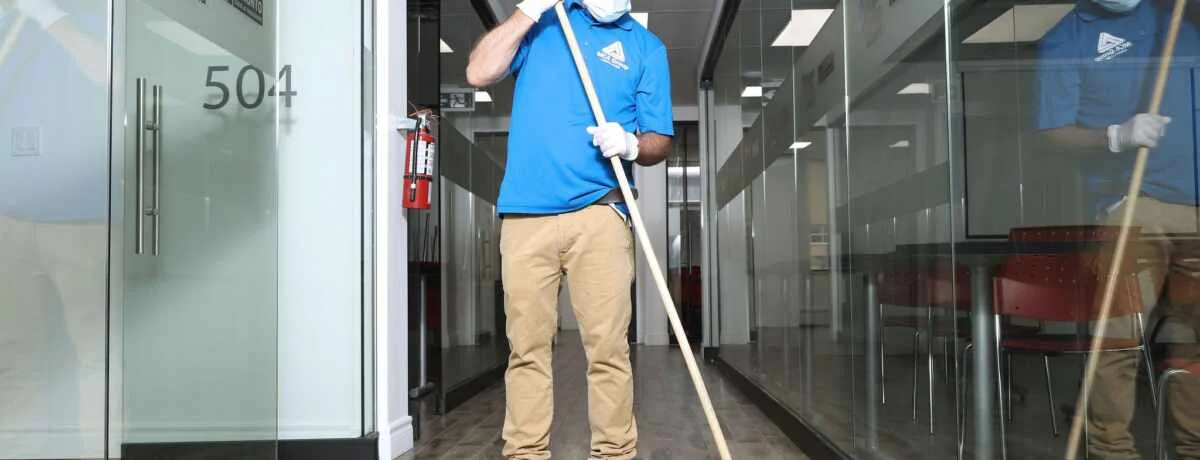
Hardwood floors remain a common choice for commercial and residential spaces in 2026, valued for their warmth and durability. In high-traffic commercial environments (office lobbies, retail stores, restaurants, gyms, and healthcare facilities), daily foot traffic, spills, furniture movement, and environmental factors cause floors to lose their luster and protective qualities faster than expected. Proper waxing remains one of the most effective and cost-efficient methods to restore shine, add a protective layer, and extend the lifespan of solid hardwood floors.
This guide covers updated product recommendations, commercial best practices, and current techniques for waxing hardwood floors. Whether you manage a busy retail space or a corporate office, these strategies will help you maintain safe, compliant hardwood floors while reducing long-term maintenance costs.
At MCA Group, we handle professional floor care for commercial properties across Ontario.
Understanding Floor Wax in the Modern Context
Floor wax is a protective coating applied to the surface of hardwood to create a sacrificial barrier. Traditional waxes often contain natural ingredients such as carnauba or beeswax, while contemporary formulations blend synthetic polymers with these natural elements for improved performance.
In 2026, the market has shifted noticeably toward low-VOC and zero-VOC options, driven by stricter indoor air quality regulations and growing corporate sustainability goals. Hard-wax oils have also gained popularity because they penetrate deeper into the wood grain rather than simply sitting on top, offering a more natural matte or satin finish with easier spot repairs.
Waxing differs from modern polyurethane or UV-cured factory finishes. While many new engineered floors come pre-finished with highly durable coatings that resist waxing, traditional solid hardwood planks, still widely used in commercial renovations and historic buildings, respond well to periodic wax applications.
Key Benefits of Waxing Hardwood Floors for Commercial Spaces
Waxing delivers several practical advantages for commercial spaces. The wax layer shields against scratches, scuffs, dirt abrasion, and minor moisture damage, which can prevent premature wear in heavy walk zones such as entrances, aisles, and checkout areas. A well-waxed floor also reflects light well, making spaces appear cleaner and brighter, which contributes to a better first impression for customers and clients.
Applied correctly with slip-resistant formulations, waxed floors can also reduce slip-and-fall incidents, a real liability concern for commercial property owners; many 2026 commercial-grade waxes are engineered specifically to balance shine with traction. Regular waxing can extend the life of hardwood floors by several years, delaying expensive sanding and refinishing cycles, which means lower capital expenditure and a better return on the flooring investment over time. It also makes daily maintenance easier: a protected surface resists staining and simplifies routine cleaning, letting janitorial teams maintain high standards with less effort.
Should You Wax Your Hardwood Floors in 2026?
The answer depends on your floor type and usage. Solid hardwood floors installed without modern factory finishes benefit from waxing every 6 to 18 months, with more frequent interim buffing in high-traffic zones.
A few things are shaping commercial floor care in 2026. Demand for Green Seal-certified, plant-based, and low-VOC waxes continues to rise as companies aim to meet ESG (Environmental, Social, Governance) targets, and many professionals now combine hard-wax oils with light top-coat polishes for better durability and easier maintenance. New application tools and faster-drying formulas also allow commercial waxing during off-peak hours with minimal business interruption, and better indoor air quality through low-emission products supports employee and customer well-being, a factor more businesses are paying attention to since the pandemic.
However, many engineered hardwood, laminate, LVT, and prefinished floors should not be waxed, as it can cause cloudiness, buildup, or void warranties.
Choosing the Right Wax for Your Needs
Selecting the correct product matters for long-lasting results. Water-based and low-VOC options dominate in 2026 for commercial use because they dry faster (often 30-45 minutes per coat) and have lower odor, which makes them practical for occupied buildings. Liquid emulsions work best for large commercial areas, while paste waxes hold up better in lower-traffic zones. Look for commercial-grade products with slip-resistant additives, high traffic durability ratings, and compatibility with buffing machines.
Always perform a small test patch and consult product specifications. Professional commercial cleaners often stock premium lines that balance performance with environmental responsibility.
Floors That Benefit from Waxing vs Those That Don’t
Suitable for Waxing:
- Solid hardwood (especially older installations)
- Certain unfinished or site-finished planks
- Traditional terra-cotta and unglazed tiles
Avoid Waxing:
- Engineered hardwood with aluminum oxide or polyurethane finishes
- Laminate and bamboo flooring
- Natural stone, ceramic, porcelain, or luxury vinyl
- Floors with existing incompatible coatings
Applying wax to the wrong surface can lead to difficult-to-remove buildup and potential damage.
Step-by-Step Professional Waxing Process (2026 Edition)
For best results in commercial settings, schedule during low-traffic periods or overnight.
- Preparation (1-2 hours): Remove all furniture, rugs, and obstacles. Vacuum and dust thoroughly. Improve ventilation and ensure proper PPE for workers.
- Deep Cleaning and Stripping: Use pH-neutral cleaners or commercial strippers to remove old wax residue. In large spaces, auto-scrubbers dramatically improve efficiency. Rinse multiple times and allow complete drying; this step is crucial to prevent adhesion issues.
- Application of Wax: Work in manageable sections using clean microfiber applicators or professional wax mops. Apply thin, even coats following the wood grain. Allow adequate drying time between coats (use high-velocity fans to accelerate in commercial environments). Most floors require 2-4 coats.
- Buffing for Professional Shine: Use a high-speed propane or battery-powered floor buffer with appropriate pads. This creates the signature deep gloss while hardening the surface.
- Curing Period: Keep foot traffic off the floor for a minimum of 8-12 hours, ideally overnight, to achieve maximum hardness.
Follow all manufacturer instructions, especially with newer low-VOC formulas.
Pro Tips for High-Traffic Commercial Environments
- Install and maintain high-quality entrance matting systems to trap dirt before it reaches the hardwood.
- Implement a tiered maintenance schedule: daily dust mopping, weekly damp mopping with approved cleaners, quarterly buffing, and annual full strip-and-wax cycles.
- Monitor indoor humidity levels (ideally 40-60%) using HVAC controls to prevent wood expansion and contraction.
- Train cleaning staff on proper techniques to avoid over-application or streaking.
- Document all maintenance activities for insurance, compliance, and warranty purposes.
Common Mistakes and How to Avoid Them
- Applying wax over dirty or improperly prepared surfaces
- Using excessive product, which leads to sticky buildup
- Inadequate drying time between coats
- Choosing residential products for commercial traffic levels
- Neglecting regular interim maintenance, forcing more aggressive restoration later
Ongoing Maintenance Best Practices
Daily vacuuming or dust mopping, immediate spill cleanup, and periodic professional inspections will keep your floors looking their best. Avoid steam mops, abrasive pads, and harsh chemicals that can strip wax prematurely.
Frequently Asked Questions
How often should commercial hardwood floors be waxed? Typically once per year for full stripping and waxing, with buffing and top-coating every 3-6 months in high-traffic areas.
Can you clean waxed floors with water? Use only lightly damp microfiber mops with pH-neutral cleaners. Never flood the surface.
Is waxing more expensive than modern finishes? Initial application costs are reasonable, and long-term maintenance is often more economical for traditional hardwood.
What are the latest eco-friendly options? 2026 offers many Green Seal-certified waxes and hard-wax oils with solid performance.
What’s involved in switching from an old wax to a new one? Choose the wax suited to your floor type. If the floor has been previously waxed, the old wax needs to be stripped off completely first, which is best done by a professional, before the new wax goes on. If you have a finished floor, a floor machine can be used to remove some of the existing finish.
When to Hire Professional Commercial Floor Care Experts
DIY waxing works for small residential areas, but commercial properties with thousands of square feet benefit from professional service providers, who bring specialized equipment, premium products, trained crews, and scheduling flexibility that minimize disruption to business operations.
MCA Group provides hardwood floor stripping, waxing, restoration, and ongoing maintenance programs for commercial properties across Ontario.
Conclusion
Waxing hardwood floors in 2026 remains a practical way to protect a valuable flooring asset while improving safety, appearance, and property value. Following the techniques and trends in this guide can help facility managers and business owners maintain hardwood surfaces even under demanding commercial conditions.
Regular professional care preserves the look of the floor and supports healthier indoor environments and more sustainable operations. If your floors are showing signs of wear or you need a customized maintenance plan, a qualified commercial floor care specialist is usually the fastest path to sorting it out.


