

Understanding the Importance of Medical Office Cleaning for Patient Safety
Medical office cleaning standards are essential to ensuring the safety and well-being of patients and staff. The ramifications of neglecting hygiene in healthcare environments can be severe, highlighting the importance of thorough and consistent cleaning protocols.
For medical facilities, maintaining a clean environment is directly linked to patient safety. With over 30 years of experience in healthcare cleaning, MCA Group has established a reputation for delivering reliable services that meet the strict standards required by healthcare regulations.
Our ongoing partnership with MCI, which includes 16 medical facility locations in Ontario and the Greater Toronto Area (GTA), exemplifies our commitment to high hygiene standards. We are a multi-site healthcare cleaning partner focused on consistent, specialized approaches tailored to each facility’s needs.
To ensure compliance and optimal cleanliness, our team emphasizes a structured, five-step model:
1) Understanding the specific requirements of each facility,
2) Establishing a tailored cleaning schedule aligned with operational hours,
3) Providing consistent daily cleaning support,
4) Coordinating specialty deep cleaning as required
5) Maintaining open lines of communication to adapt to evolving needs.
This model helps address the complexities of managing multiple locations efficiently.
Our extensive capabilities include overnight cleaning to minimize disruption to patient care, ensuring that areas like reception, waiting rooms, exam rooms, and high-use zones are clean and safe for visitors and medical staff alike. Additionally, MCA Group offers specialty cleaning options for deeper cleans essential in meeting the unique challenges present in medical settings.
Ultimately, investing in professional cleaning services such as those from MCA Group goes beyond regulatory compliance; it’s about providing a safe, welcoming environment conducive to healing and well-being. Trust in a partner who excels in the nuances of healthcare cleaning. Let’s ensure your facility’s hygiene and safety today.
Key Differences Between General Cleaning and Medical Office Cleaning
When it comes to maintaining a clean environment in medical offices, the approach differs significantly from general cleaning practices. Medical office cleaning involves adhering to strict hygiene and sanitation protocols to prevent infection and ensure the safety of patients and staff. Unlike general cleaning, which may focus primarily on visual cleanliness and surface dusting, medical cleaning goes deep into disinfection to eliminate pathogens, including bacteria and viruses.
One key difference is the use of specialized cleaning agents. Medical offices require EPA-approved disinfectants that are effective against a broad spectrum of microorganisms. These products are not only vital for compliance with health regulations but also critical for protecting vulnerable populations, such as those undergoing treatment or recovery.
Additionally, the frequency and depth of cleaning tasks differ markedly. While general cleaning schedules may suffice for typical office environments, medical facilities often require more rigorous protocols, including daily disinfection of high-touch surfaces and more intensive cleanings in treatment areas. This is essential not just for hygiene, but also for compliance with standards set by health authorities, such as the Centers for Disease Control and Prevention (CDC).

Furthermore, the training of cleaning personnel is crucial in a medical setting. Staff must be thoroughly educated on best practices for infection control, proper use of personal protective equipment (PPE), and the appropriate cleaning methods for various medical instruments and environments. This level of expertise is rarely emphasized in general cleaning practices, underscoring the specialized nature of medical office cleaning.
To ensure a compliant and hygienic environment, medical offices should partner with cleaning services that specialize in healthcare settings. This ensures not only adherence to regulations but also the peace of mind that comes from knowing that patients and staff are in a safe and clean environment. If you’re looking for reliable guidance and support for your medical office cleaning needs, reach out today to discuss how expert services can make a difference in your facility.
Best Practices for Disinfection in Healthcare Facilities
Maintaining a high standard of cleanliness in healthcare facilities is critical. Disinfection is more than just cleaning; it plays a vital role in preventing the spread of infections. Here are some best practices to consider:
1. Choose the Right Disinfectants: It’s essential to select EPA-registered disinfectants that are effective against a broad spectrum of pathogens. Always follow the manufacturer’s instructions for application, dilution, and contact time to ensure effectiveness.
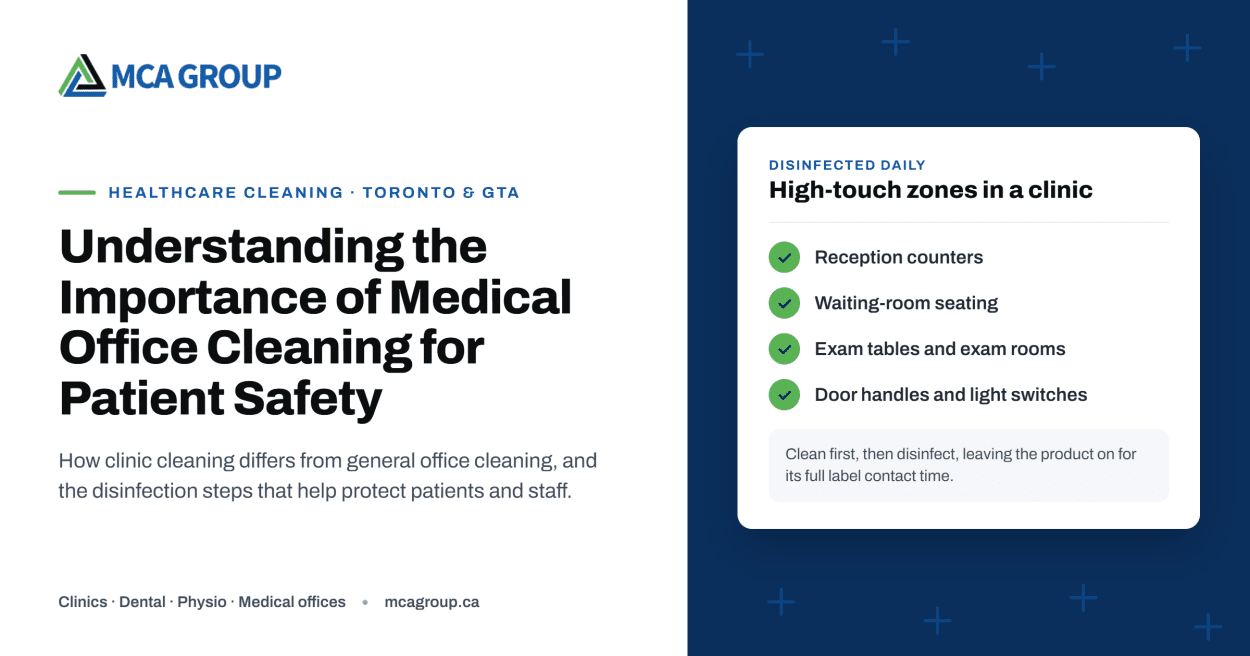
2. Establish a Routine Cleaning Schedule: Frequent cleaning of high-touch surfaces—such as doorknobs, light switches, and examination tables—is crucial. Create a detailed cleaning schedule that outlines daily, weekly, and monthly tasks to cover all areas of the facility.
3. Train Your Cleaning Staff: Ensure that staff is well-trained in the latest cleaning protocols and understand the importance of infection control. Regular training sessions can help keep everyone up to date with the best practices and any new regulations that may arise.
4. Use Proper Cleaning Techniques: Implement specific techniques such as two-step cleaning, where a surface is first cleaned to remove dirt and then disinfected. This two-step method increases the efficiency of the disinfection process and reduces the risk of pathogen transmission.
5. Monitor and Evaluate: Regularly assess cleaning procedures and outcomes. Monitoring can help identify areas for improvement and ensure compliance with health regulations. Consider using surface testing kits to verify that the disinfection protocols are effectively eliminating pathogens.
By adopting these best practices, healthcare facilities can enhance their hygiene efforts and ensure a safe environment for patients and staff alike. Take these steps now to safeguard against infection risks in your facility.
Choosing the Right Cleaning Service for Medical Offices
Choosing the right cleaning service for your medical office is vital for ensuring both hygiene and compliance with health regulations. Start by looking for a cleaning company that specializes in medical facilities. They should be familiar with healthcare standards and the specific types of cleaning required to maintain a sterile environment.
Consider a service provider that employs trained and certified personnel. They should be knowledgeable about the protocols surrounding infection control and the use of appropriate cleaning agents and equipment to manage biohazard waste. A well-equipped team can significantly reduce the risk of cross-contamination in your office.
Moreover, ask about their experience and references from other medical offices. A reputable company should be able to provide proof of successful projects and satisfied clients, showcasing their capability to handle the unique challenges of cleaning in a healthcare setting.
Lastly, assess the flexibility of their cleaning schedule. Medical offices often operate at odd hours, and having a service that can clean before and after office hours or accommodate your specific needs is crucial. Time is valuable, and you want a cleaning service that respects both your time and the health of your patients.
Make sure to communicate your expectations clearly—from the frequency of cleaning to the types of surfaces and areas that require special attention. A good cleaning service will work with you to create a customized plan that meets your compliance needs and hygiene standards effectively.
Regulatory Compliance and Standards for Medical Office Cleaning
Maintaining hygiene in medical offices goes beyond standard cleaning practices; it requires adherence to specific regulations and industry standards that safeguard patient health and ensure compliance. Key organizations such as the Centers for Disease Control and Prevention (CDC) and the Occupational Safety and Health Administration (OSHA) provide guidelines that detail the necessary cleaning protocols, including the use of appropriate disinfectants and sterile techniques aimed at reducing the spread of infections.
Medical offices must establish a comprehensive cleaning plan that includes regular and thorough cleaning routines, especially for high-touch surfaces like doorknobs, exam tables, and medical equipment. This plan should reflect the unique needs of the facility, taking into consideration the types of services provided and the foot traffic experienced on a daily basis.
When selecting a cleaning service, it’s crucial to ensure they are familiar with the latest compliance standards and use hospital-grade disinfectants. This not only helps in meeting regulatory requirements but also enhances the safety of both staff and patients. Training for cleaning teams on the importance of infection control measures is also essential to ensure that everyone involved understands their role in maintaining a clean and compliant environment.
To further emphasize compliance, regular audits and inspections should be part of the cleaning strategy to identify areas for improvement and ensure that cleaning staff are adhering to established protocols. Engaging a professional cleaning service that specializes in medical offices can help mitigate risks associated with non-compliance, allowing the healthcare team to focus more on patient care rather than cleaning concerns.
The Role of Green Cleaning in Healthcare Environments
In healthcare environments, the importance of maintaining a clean facility cannot be overstated. Green cleaning—using environmentally friendly products and practices—plays a significant role in enhancing hygiene standards while also supporting regulatory compliance. When medical offices adopt green cleaning methods, they not only reduce the use of harsh chemicals but also create a healthier atmosphere for both patients and staff.
By selecting products that meet strict environmental standards, healthcare facilities can minimize the risks associated with harmful substances. These products are designed to effectively kill pathogens without compromising indoor air quality. This holistic approach not only protects patients but also contributes to the overall sustainability efforts of the organization.
Implementing green cleaning practices can involve a variety of strategies. Regular training for cleaning teams ensures they are knowledgeable about the best practices in maintaining a hygienic environment. Additionally, using modern equipment that is designed for efficiency can further help in reducing waste and managing resources effectively.
The shift toward green cleaning does not only focus on the cleaning agents used but also encompasses the entire cleaning process. This includes proper waste disposal methods that comply with healthcare regulations. Ensuring that all staff members understand and commit to these practices is key in fostering a culture of cleanliness and compliance within the medical office.
How to Maintain a Clean Medical Office Environment Long-Term
Maintaining a clean medical office environment requires a proactive and systematic approach. One of the first steps is to create a detailed cleaning schedule that outlines specific tasks required daily, weekly, and monthly. This will ensure that all areas of the facility, from waiting rooms to examination rooms, are not only cleaned but are also sanitized to meet compliance standards. Training your cleaning team on the appropriate use of equipment and cleaning agents is essential. They should understand the importance of using hospital-grade disinfectants on high-touch surfaces to minimize the risk of infection.
Regular audits of cleaning practices help to ensure adherence to these schedules. Consider involving a third-party cleaning service that specializes in medical environments, as they will have the expertise and equipment necessary to meet stringent hygiene requirements. This collaboration can benefit staff and patients alike, as a clean environment promotes healthier outcomes for everyone involved.
Additionally, it’s important to foster a culture of cleanliness within your medical office. Encourage your team to report any areas that require attention and provide easy-to-access cleaning supplies in various locations around the facility. A collaborative atmosphere enhances overall commitment to hygiene standards and makes maintaining cleanliness a shared responsibility.

Finally, review and update cleaning protocols regularly to comply with any changes in regulations or best practices across the healthcare cleaning sector. Staying informed and adaptable not only ensures compliance but also supports a safe and hygienic environment for all.


