

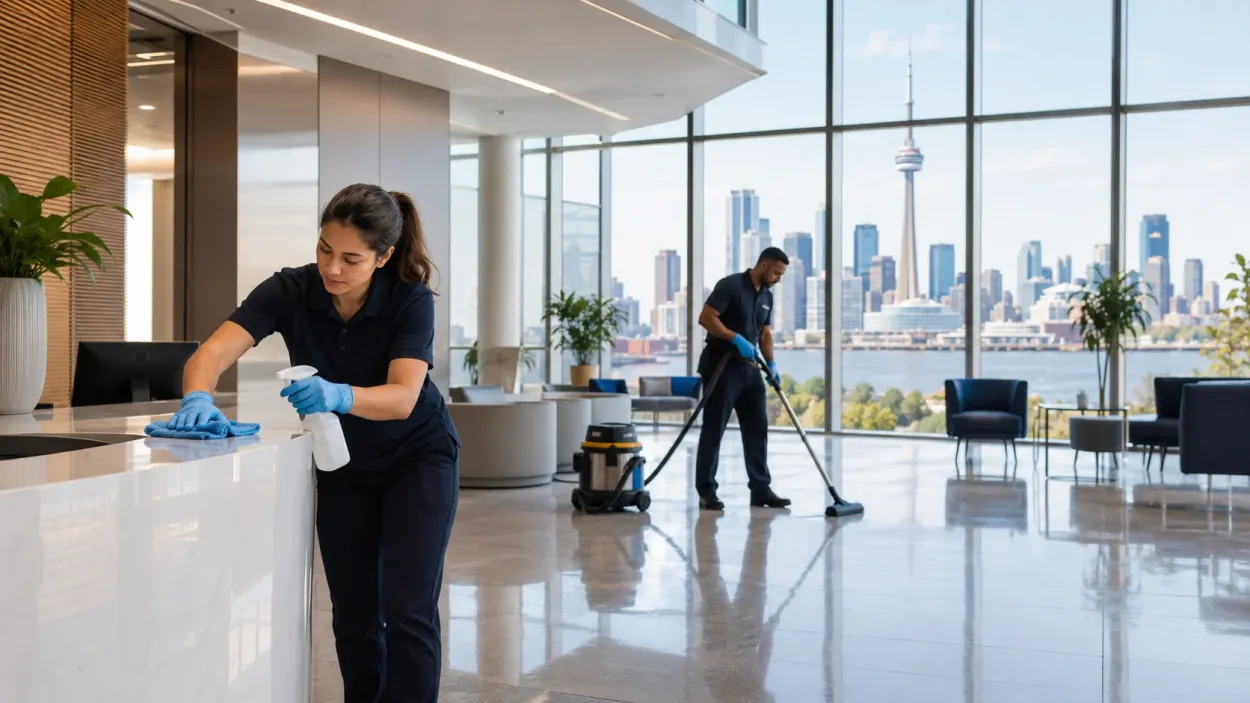
A clean environment does more than make a space look presentable—it directly impacts the health, safety, and well-being of everyone who uses it. Whether it’s a residential property, office, healthcare facility, retail store, or industrial workspace, maintaining cleanliness is essential for preventing illness, reducing hazards, and creating a healthier indoor environment.
While routine cleaning removes visible dirt and clutter, it often leaves behind hidden contaminants that accumulate over time. Dust, bacteria, allergens, mold spores, and pollutants can settle into hard-to-reach areas, affecting indoor air quality and increasing health risks. This is where regular deep cleaning becomes a critical part of property maintenance.
For homeowners and businesses in Toronto, investing in professional deep cleaning services is not simply about appearance—it’s about protecting people, preserving property, and creating safer spaces year-round.
Key Highlights
- Deep cleaning improves indoor air quality by removing dust, allergens, mold spores, and airborne contaminants.
- Reduces the spread of germs and bacteria, helping create healthier homes and workplaces.
- Enhances safety by preventing slip-and-fall hazards and identifying potential mold issues before they worsen.
- Addresses Toronto-specific challenges such as urban pollution, seasonal allergens, humidity, and high-traffic environments.
- Protects both people and property by promoting long-term health, cleanliness, and preventative maintenance.
What Is Deep Cleaning?
Deep cleaning is a comprehensive cleaning process that targets areas often overlooked during routine maintenance. Unlike standard cleaning, which focuses on visible surfaces, deep cleaning addresses hidden contaminants throughout a property.
Deep cleaning typically includes:
- Detailed floor and carpet cleaning
- Sanitizing high-touch surfaces
- Cleaning behind and beneath furniture
- Vent and air duct cleaning
- Washroom and kitchen sanitation
- Baseboard and corner cleaning
- Removal of accumulated dust and allergens
- Disinfection of frequently used areas
The objective is to remove harmful contaminants that can negatively affect health and safety.
Why Regular Cleaning Isn’t Always Enough
Many people assume that regular vacuuming, mopping, and surface wiping are sufficient to maintain a healthy environment. However, dirt and microorganisms often build up in areas that receive little attention during routine cleaning.
Over time, hidden contaminants can contribute to:
- Poor indoor air quality
- Allergic reactions
- Respiratory irritation
- Unpleasant odors
- Mold growth
- Increased bacterial contamination
Deep cleaning addresses these issues before they become significant health or maintenance concerns.
The Health Benefits of Regular Deep Cleaning
Improved Indoor Air Quality
Indoor air quality plays a major role in overall health. Dust, pollen, pet dander, mold spores, and airborne pollutants can accumulate inside homes and commercial buildings.
Without proper deep cleaning, these particles continue circulating through the air, potentially causing:
- Allergy symptoms
- Respiratory irritation
- Asthma flare-ups
- Headaches and discomfort
Deep cleaning removes these hidden contaminants from carpets, upholstery, vents, and hard-to-reach surfaces, helping create cleaner and healthier indoor air.
For Toronto residents who experience seasonal allergies or respiratory conditions, improved air quality can make a noticeable difference in daily comfort.
Reduced Spread of Germs and Bacteria
Everyday activity introduces germs and bacteria to frequently touched surfaces.
Common contamination points include:
- Door handles
- Light switches
- Elevator buttons
- Shared desks
- Reception areas
- Washrooms
- Break rooms
Professional deep cleaning services focus on sanitizing these areas while removing bacteria that may not be visible to the naked eye.
This helps reduce the risk of:
- Seasonal illnesses
- Viral transmission
- Workplace outbreaks
- Cross-contamination
Better Protection for Allergy and Asthma Sufferers
Many allergy triggers remain hidden inside buildings.
These include:
- Dust mites
- Pollen
- Pet dander
- Mold spores
- Airborne debris
Deep cleaning removes many of these irritants from surfaces, carpets, upholstery, and ventilation systems.
As a result, individuals suffering from allergies or asthma often experience fewer symptoms and improved indoor comfort.
The Safety Benefits of Deep Cleaning
Preventing Slip and Fall Accidents
Slip-and-fall incidents remain one of the most common workplace and commercial property accidents.
Hazards often include:
- Grease buildup
- Dust accumulation
- Wet surfaces
- Debris in walkways
- Neglected flooring
Deep cleaning helps identify and eliminate these risks before they lead to injuries.
Reducing Mold Growth
Toronto’s changing weather conditions can create ideal environments for mold growth, particularly in:
- Basements
- Bathrooms
- Kitchens
- Utility rooms
- Storage areas
Unchecked mold can cause:
- Respiratory issues
- Allergic reactions
- Structural damage
- Persistent odors
Regular deep cleaning helps remove moisture-prone buildup and allows early detection of potential mold problems before they spread.
Supporting Workplace Health and Safety Standards
Clean facilities contribute directly to workplace safety and employee well-being.
A structured deep cleaning program helps organizations:
- Maintain hygienic work environments
- Reduce contamination risks
- Improve employee confidence
- Enhance visitor experiences
- Support health and safety compliance
Businesses that prioritize cleanliness often experience lower absenteeism and higher employee satisfaction.

Why Toronto Properties Require Regular Deep Cleaning
Toronto presents several unique cleaning challenges that make deep cleaning especially important.
Urban Pollution
As Canada’s largest city, Toronto experiences significant traffic, construction activity, and environmental pollutants.
These contaminants enter buildings through:
- Doors and entrances
- HVAC systems
- Open windows
- Foot traffic
Deep cleaning helps remove pollutants before they accumulate and impact indoor air quality.
Seasonal Changes
Each season introduces different contaminants:
Winter
- Salt residue
- Moisture buildup
- Slush and dirt
Spring
- Pollen
- Allergens
- Mud
Summer
- Humidity
- Increased bacterial growth
- Mold-friendly conditions
Fall
- Leaves
- Dust
- Outdoor debris
Regular deep cleaning helps properties adapt to these seasonal challenges.
High-Traffic Commercial Environments
Office buildings, retail stores, condominiums, schools, and healthcare facilities experience constant foot traffic.
More visitors mean:
- More germs
- More dirt accumulation
- Increased wear on surfaces
- Higher cleaning demands
Deep cleaning ensures these spaces remain safe and hygienic despite heavy daily use.
How Often Should Deep Cleaning Be Performed?
The ideal schedule depends on the type of property and occupancy levels.
| Property Type | Recommended Frequency |
|---|---|
| Residential Homes | Every 3–6 Months |
| Office Buildings | Quarterly or Semi-Annually |
| Retail Stores | Quarterly |
| Healthcare Facilities | Frequently, According to Facility Protocols |
| Industrial Facilities | Based on Usage and Regulatory Requirements |
A professional cleaning provider can recommend a schedule based on your specific environment and risk factors.
Frequently Asked Questions About Deep Cleaning in Toronto
Is deep cleaning worth the investment?
Yes. Deep cleaning improves health, reduces maintenance issues, extends the lifespan of building materials, and creates safer indoor environments.
Does deep cleaning help eliminate odors?
Absolutely. Many odors originate from hidden bacteria, mold, food residue, or trapped contaminants. Deep cleaning removes the source rather than masking the smell.
Can deep cleaning improve workplace productivity?
Cleaner workplaces often lead to:
- Fewer sick days
- Better employee morale
- Improved concentration
- Enhanced workplace satisfaction
A healthier environment supports higher productivity and employee well-being.
Is deep cleaning necessary if regular cleaning is already performed?
Yes. Routine cleaning maintains day-to-day appearance, while deep cleaning removes hidden contaminants that accumulate over time. Both services work together to create a healthier environment.
Choosing the Right Deep Cleaning Service in Toronto
When selecting a professional deep cleaning provider, look for:
- Experienced cleaning specialists
- Customized cleaning programs
- Industry-approved cleaning methods
- Health and safety compliance
- Transparent service plans
- Positive client reviews
- Commercial-grade equipment
Working with an experienced provider ensures your property receives a thorough and effective cleaning tailored to its unique needs.
Final Thoughts
Regular deep cleaning is one of the most effective ways to maintain a healthier, safer, and more productive environment. While routine cleaning handles everyday maintenance, deep cleaning addresses the hidden contaminants that can impact air quality, health, and overall safety.
From reducing allergens and bacteria to preventing workplace hazards and supporting long-term property maintenance, the benefits extend far beyond aesthetics.
For homeowners, facility managers, and business owners in Toronto, implementing a regular deep cleaning schedule is a proactive step toward protecting occupants and preserving property value. Companies such as MCA Group understand that comprehensive cleaning programs play a vital role in creating cleaner, healthier, and safer environments for everyone.
Additional Industry Resources
Industry organizations and research groups consistently highlight the importance of proactive cleaning and sanitation practices for maintaining healthier indoor environments:
- Cleaning Industry Research Institute (CIRI): https://x.com/CIRIScience
- ISSA – The Worldwide Cleaning Industry Association: https://x.com/ISSAHQ
You can also explore authoritative resources on indoor environmental health:
- Health Canada – Indoor Air Quality: https://www.canada.ca/en/health-canada/services/air-quality/indoor-air-contaminants.html
- Public Health Ontario: https://www.publichealthontario.ca
- ISSA Cleaning Industry Association: https://www.issa.com


